Artificial Meat: Transforming the Future of the Meat Industry
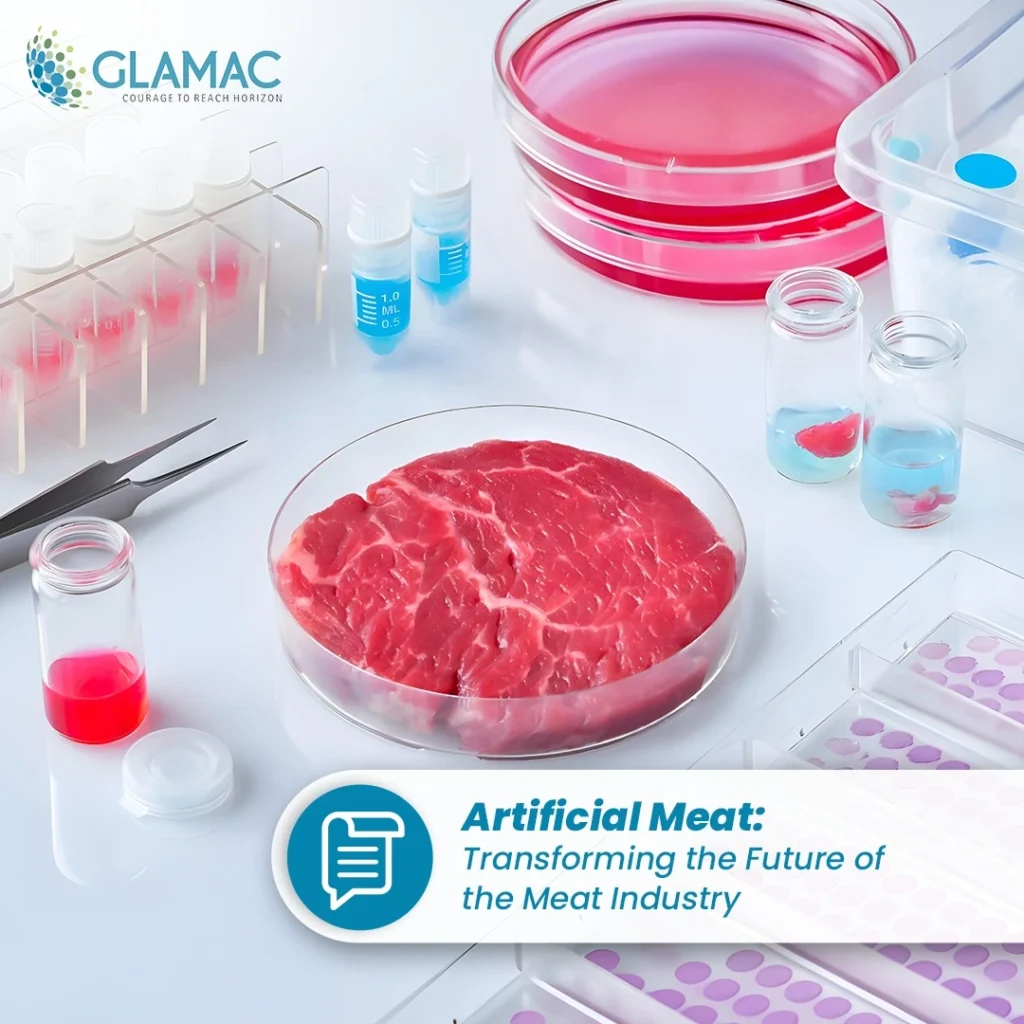
The global meat industry is at a crossroads. With population growth, climate change, animal welfare concerns, and health issues mounting, conventional meat production faces unprecedented challenges. Emerging technologies and innovations, collectively referred to as artificial meat, are offering potential solutions to meet consumer demands while reducing the environmental footprint of meat production. This blog explores what artificial meat is, its categories, sustainability implications, health and safety concerns, market acceptability, animal welfare impacts, and what the future may hold for the meat industry.
What Is Artificial Meat?
Artificial meat encompasses a range of products created as alternatives or supplements to traditional animal-based meat. The term broadly covers four categories:
- Meat Substitutes – These are manufactured from alternative protein sources like plants and fungi (e.g., soy, wheat proteins, and mycoproteins like Quorn and tofu).
- Cultured Meat (In Vitro Meat) – Produced by growing animal cells in a laboratory environment instead of raising and slaughtering animals.
- Genetically Modified (GM) Meat – Derived from animals whose genetic material has been artificially altered to improve traits like disease resistance or environmental sustainability.
- Cloned Meat – Produced by replicating animal cells to create genetically identical livestock, although cloning raises both ethical and technical concerns.
While only plant-based substitutes are widely available today, ongoing research and development are pushing the boundaries of what artificial meat can offer.

Sustainability: Addressing Environmental Concerns
Livestock farming currently occupies nearly 70% of all agricultural land, contributing significantly to greenhouse gas emissions, particularly methane from ruminants. Estimates suggest livestock may be responsible for 18% of global emissions.
Artificial meat products, especially in vitro meat, have the potential to reduce resource consumption drastically. Preliminary studies indicate possible reductions in:
- Land use by up to 99%
- Water use by 90%
- Energy consumption by 40%
However, large-scale production remains theoretical and expensive, requiring significant investment and technological advancements.
Meanwhile, plant-based alternatives are already available and consume less grain and water compared to conventional meat. They may offer near-term solutions by providing protein-rich diets with lower environmental footprints.
Genetic modification, such as enhancing pigs’ ability to digest phosphorous, presents another sustainability opportunity, though regulatory hurdles and public perception remain challenges.
Health and Safety: Balancing Benefits and Risks
Foodborne illnesses from pathogens like Salmonella, Campylobacter, and E. coli pose serious risks, particularly in conventional meat production. Artificial meat, when produced under controlled environments, could potentially offer safer food products.
For example:
- Cultured meat might reduce direct animal contact, thereby lowering zoonotic disease risks.
- Genetically engineered livestock resistant to diseases like avian or swine influenza could mitigate outbreaks.
- Cloning, however, may reduce genetic diversity, possibly increasing susceptibility to diseases in livestock populations.
Despite these possibilities, concerns remain about long-term safety. The use of antimicrobials in cell cultures and unforeseen biological effects such as epigenetic changes are areas needing further research.
Market Acceptability: Overcoming Consumer Resistance
Consumer perception plays a critical role in the adoption of artificial meat products. Factors influencing purchasing decisions include:
- Intrinsic qualities like taste, texture, and nutritional profile.
- Extrinsic factors such as price, brand trust, production methods, and ethical considerations.
Currently, only plant-based substitutes hold a small share of the market, estimated at 1–2%, mainly due to taste and texture challenges.
Cultured meat and genetically modified meat face significant barriers including:
- High production costs (e.g., the first cultured burger cost over $335,000).
- Regulatory restrictions, such as bans in the European Union.
- Ethical concerns and fear of novel food technologies (neophobia).
Nevertheless, government incentives and subsidies for environmentally friendly production methods could accelerate adoption.
Animal Welfare: Ethics Behind the Protein Plate
Animal welfare is a growing concern among consumers, particularly in developed regions. Artificial meat, by reducing the number of animals farmed, addresses these concerns to some extent.
- Plant-based and cultured meats offer the potential to meet global demand with fewer animals.
- However, cultured meat still relies on animal-derived components like fetal calf serum during production.
- Cloning, while enhancing genetics, has associated welfare issues including higher mortality and developmental defects.
Some experts advocate for improved husbandry systems and breeding techniques, such as eliminating dehorning in cattle through genetic testing, to improve animal welfare without entirely removing animals from food systems.

The Future of the Meat Industry: A Complex Landscape
The meat industry’s future will likely involve a mixture of conventional, artificial, and alternative protein sources, catering to diverse consumer needs and regulatory pressures.
Key trends include:
- Rising production costs for conventional meat as climate policies and resource scarcity increase.
- A growing market for affordable meat substitutes, especially in processed foods like burgers and sausages.
- Technological barriers delaying widespread adoption of cultured and genetically modified meats.
- Consumer education and engagement becoming critical for acceptance.
- Agroecological practices being integrated into farming to improve sustainability and welfare.
While artificial meat may not completely replace conventional meat—given the unique role of ruminants in ecosystems—it will undoubtedly reshape segments of the market.
Conclusion
Artificial meat represents both an opportunity and a challenge for the future of the global meat industry. As environmental concerns mount and consumer preferences shift, the industry must innovate to remain viable. Plant-based substitutes are already carving out a niche, while cultured, genetically modified, and cloned meat technologies hold promise for the long term, despite significant regulatory and technical obstacles.
For conventional meat producers, embracing agroecology and biotechnology offers pathways to sustainability without sacrificing animal welfare. However, success will hinge on consumer trust, transparent production practices, and supportive policy frameworks.
Ultimately, the future of meat will not be defined by a single solution but by a diverse ecosystem of products tailored to meet the needs of different populations and markets.
References
- Bonny, S. P. F., Gardner, G. E., Pethick, D. W., & Hocquette, J.-F. (2015). What is artificial meat and what does it mean for the future of the meat industry? Journal of Integrative Agriculture, 14(2), 255–263. https://doi.org/10.1016/S2095-3119(14)60888-1
- FAO (2009). The State of Food and Agriculture. Rome, Italy.
- Goodwin, J. N., & Shoulders, C. W. (2013). The future of meat: A qualitative analysis of cultured meat media coverage. Meat Science, 95, 445–450.
- Hocquette, J.-F., et al. (2015). Educated consumers don’t believe artificial meat is the solution to the problems with the meat industry. Journal of Integrative Agriculture, 14, 273–284.
- Tuomisto, H., & Teixeira de Mattos, M. J. (2011). Environmental impacts of cultured meat production. Environmental Science & Technology, 45, 6117–6123.
- Datar, I., & Betti, M. (2010). Possibilities for an in vitro meat production system. Innovative Food Science & Emerging Technologies, 11, 13–22.
- Carlarne, C. (2007). From the USA with love: Sharing home-grown hormones, GMOs, and clones with a reluctant Europe. Environmental Law, 37, 301.
- McColl, K. A., Clarke, B., & Doran, T. J. (2013). Role of genetically engineered animals in future food production. Australian Veterinary Journal, 91, 113–117.
- Hoek, A. C., et al. (2011). Identification of new food alternatives: How do consumers categorize meat and meat substitutes? Food Quality and Preference, 22, 371–383.
- Dumont, B., et al. (2013). Prospects from agroecology and industrial ecology for animal production in the 21st century. Animal, 7, 1028.
