Microalgae: The Green Revolution in Indian Poultry Nutrition
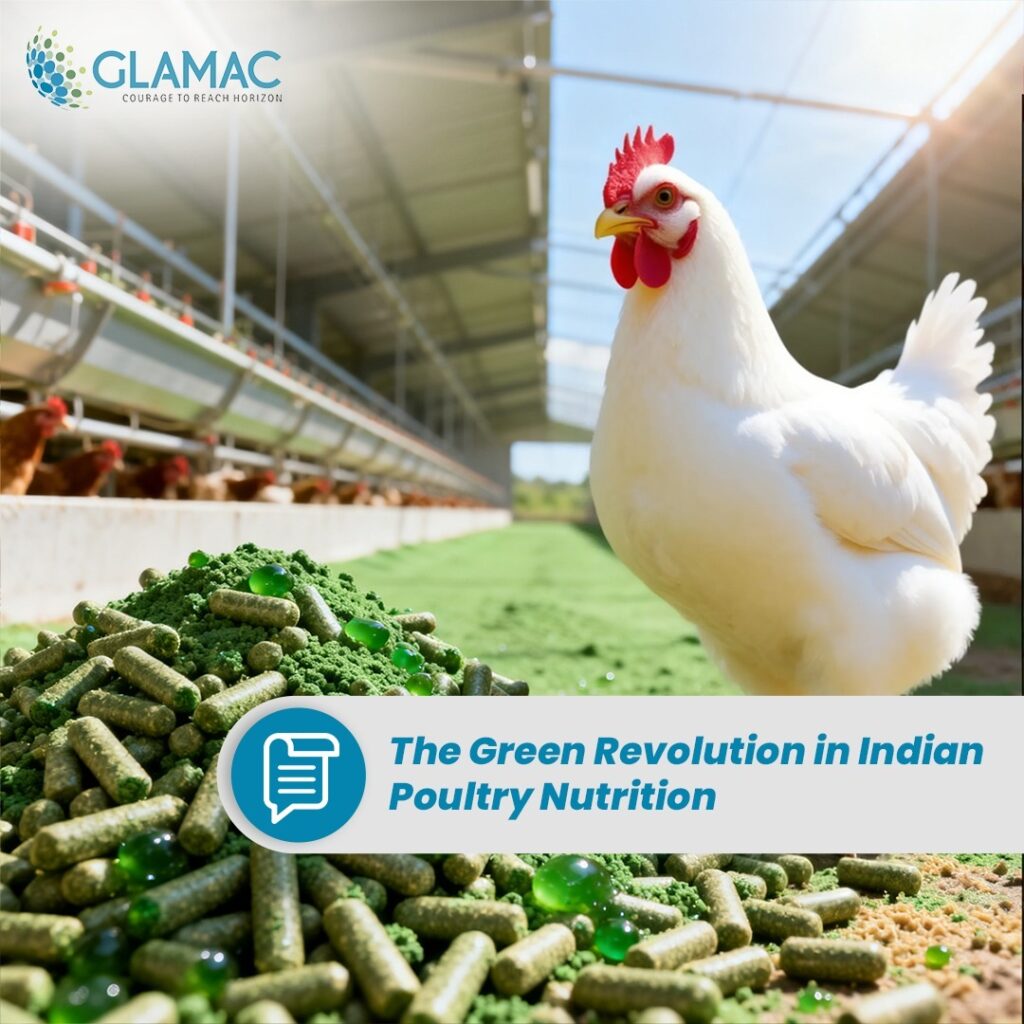
Microalgae: The Green Revolution in Indian Poultry Nutrition
Introduction
The Indian poultry industry has transitioned from a backyard venture into a highly structured, technologically advanced commercial sector. However, this growth is met with persistent hurdles, notably volatile feed costs, recurring disease outbreaks, and the urgent need to maintain optimal productivity while ensuring farmer profitability. Grains and oilseeds traditionally dominate feed formulations, but escalating prices and resource scarcity frequently inflate production expenses. For Indian poultry farmers, integrators, veterinarians, and feed manufacturers, identifying sustainable, high-quality alternative protein sources is no longer just an innovative choice—it is an economic necessity.
Enter microalgae. These microscopic photosynthetic organisms are emerging as a powerful component in modern poultry nutrition. Rich in proteins, essential lipids, vitamins, and minerals, microalgae double as highly effective functional feed additives. Integrating microalgae in poultry feed offers a dual advantage: it directly addresses nutritional gaps and delivers potent nutraceutical benefits that fortify flock health, improve feed efficiency, and provide a viable path toward antibiotic-free production.
Categories and Core Characteristics of Microalgae
Microalgae are a diverse group of single-celled or multicellular aquatic microorganisms capable of thriving in environments ranging from freshwater to marine and wastewater systems. Because they utilize carbon dioxide and sunlight with exceptional efficiency, they present a scalable and renewable platform for biomass production.
In commercial poultry applications, three primary taxonomic categories dominate due to their superior nutritional profiles:
Green Algae (Chlorophyta)
Species such as Chlorella vulgaris and Chlorella sorokiniana fall into this category. They are characterized by their rich chlorophyll content, excellent carbohydrate structural profile, and ability to accumulate substantial lipid fractions under optimized growth conditions.
Cyanobacteria (Blue-Green Algae)
Spirulina platensis (technically Arthrospira platensis) is the most globally recognized commercial strain. Cyanobacteria are highly sought after for their dense protein concentrations, exceptional amino acid profiles, and complex secondary metabolites that exhibit potent biological activities.
Diatoms and Marine Microalgae
Strains like Nannochloropsis oceanica and heterotrophic microalgae are key sources of long-chain polyunsaturated fatty acids, particularly omega-3 fractions crucial for systemic avian development.
Nutritional Architecture: Beyond Standard Feed Ingredients
The primary economic incentive for deploying microalgae in broiler production in India is their dense nutritional composition. Depending heavily on the species and processing methodology, certain microalgae can yield up to 70% crude protein on a dry matter basis, easily rivaling or exceeding conventional soybean meal.
Amino Acid and Lipid Profiles
Unlike many plant-based proteins that exhibit distinct amino acid deficiencies, microalgal proteins deliver a comprehensive essential amino acid array, notably rich in lysine and methionine—the critical building blocks for muscle development and feathering in broilers. Furthermore, their lipid fraction is highly concentrated with functional fatty acids, including docosahexaenoic acid (DHA), which significantly upgrades the baseline health profile of the bird.
Micronutrient and Pigment Abundance
Microalgae serve as a concentrated natural reservoir of vitamins (A, B-complex, C, and E) and bioavailable minerals (iron, calcium, magnesium). Additionally, they carry rich concentrations of natural carotenoids like lutein and astaxanthin, which function simultaneously as powerful systemic antioxidants and natural pigment thematic agents.
Chemical Composition of Key Commercial Microalgae Species
The following table summarizes the nutrient dynamic distribution across prominent microalgae species evaluated for livestock and poultry application:
| Species of Microalgae | Carbohydrates (%) | Protein (%) | Lipids (%) | Total Dietary Fiber (%) | Primary Commercial Value |
|---|---|---|---|---|---|
| Chlorella vulgaris | 20.99 – 45.64 | 15.67 – 59.71 | 19.00 – 41.51 | 15.00 – 21.16 | High protein flexibility, pigment transfer |
| Spirulina platensis | 30.21 – 42.08 | 13.30 – 14.95 | 6.50 – 48.36 | 14.98 – 42.82 | Dense bioactive compounds, immunomodulation |
| Nannochloropsis oceanica | 22.70 | 24.80 | 19.10 | 20.00 | Excellent omega-3 (EPA/DHA) deposition |
| Dunaliella salina | 32.00 – 85.58 | 8.46 – 57.00 | 9.00 – 11.47 | 0.80 – 48.82 | Massive beta-carotene/antioxidant payload |
Pharmaceutical and Functional Attributes
Beyond raw nutrition, microalgae operate as dynamic nutraceuticals. Their secondary metabolites—including phycobilipigments, complex polysaccharides, and specific peptides—intervene beneficially in several physiological pathways within the avian system.
1. Natural Antioxidants for Poultry
Under intensive farming conditions, high ambient temperatures in tropical regions like India induce severe heat stress in birds. This stress triggers an overproduction of Reactive Oxygen Species (ROS), causing cellular lipid peroxidation, tissue damage, and compromised feed conversion ratios.
Microalgae introduce an extensive internal network of antioxidant enzymes—such as superoxide dismutase (SOD), catalase (CAT), and glutathione peroxidase (GPx). These compounds directly neutralize toxic free radicals, protect cellular structures, and significantly mitigate the performance drops associated with seasonal heat stress.
2. Immunomodulation and Anti-Inflammatory Action
The cell wall components of microalgae, such as β-glucans and specialized sulfated polysaccharides, act as natural immunomodulators. They stimulate the proliferation of lymphocytes and enhance macro-phagocytic activity, resulting in elevated circulating immunoglobulins (IgA, IgG, IgM). Concurrently, bioactive compounds suppress pro-inflammatory cytokines (such as TNF-α and interleukins), preventing excessive systemic inflammation that wastes metabolic energy otherwise meant for growth.
3. Enhancing Poultry Gut Health and Gut Eubiosis
A healthy gut is vital for profitable poultry production. Microalgae extracts, particularly those enriched with specific structural complexes like mesobiliverdin IXa, exert a selective prebiotic effect. They encourage the colonization and multiplication of beneficial gut flora, such as Lactobacillus species, while competitively excluding major enteric pathogens. This structural improvement increases intestinal villus height and expands the overall absorptive surface area, facilitating superior nutrient digestion.
4. Antimicrobial Potential: Replacing Synthetic Growth Promoters
With global and domestic regulatory pressures mounting against the routine use of Antibiotic Growth Promoters (AGPs), the Indian poultry sector is actively seeking reliable alternatives. Fatty acid methyl esters and specific long-chain lipids derived from marine microalgae disrupt pathogenic bacterial cell membranes. Studies indicate these natural compounds effectively inhibit dangerous foodborne pathogens, including Salmonella Infantis and Listeria monocytogenes, paving the way for safer, antibiotic-free poultry production.
Practical Applications and Performance Metrics
Implementing microalgae in poultry feed yields measurable improvements across all commercial production verticals.
Broiler Production: Growth Acceleration and FCR Improvement
Dietary inclusion of microalgae like Chlorella vulgaris or Spirulina platensis at calculated dosages (ranging from 0.5% to 2.0%) has demonstrated significant improvements in final body weight and a noticeable drop in the Feed Conversion Ratio (FCR). Furthermore, broilers exhibit improved carcass traits, including a higher breast muscle yield and decreased drip loss, directly translating to better processing plants packshots and retail values.
Layer Production: Superior Egg Dynamics and Consumer Appeal
For layer operations, microalgae inclusion delivers exceptional market advantages:
Yolk Color Enrichment: The direct transfer of natural carotenoids like lutein drastically deepens egg yolk coloration naturally. This eliminates the need for synthetic chemical colorants and meets the growing consumer preference for rich, golden-orange yolks in premium table eggs.
Designer Omega-3 Eggs: Incorporating DHA-rich heterotrophic microalgae strains directly alters the lipid architecture of the yolk. This leads to a substantial accumulation of beneficial omega-3 fatty acids, allowing producers to market premium, value-added functional eggs.
Commercial Constraints and Solutions
While the biological advantages are undeniable, widespread adoption requires addressing specific operational hurdles:
Cost Profile: On a raw per-kilogram basis, refined microalgae biomass remains more expensive than standard soybean meal. However, when viewed as a multi-functional nutraceutical rather than a basic macro-ingredient, its cost-benefit ratio improves due to enhanced FCR, lower mortality, and reduced medication costs.
Nutritional Variability: Batches can fluctuate in composition based on cultivation parameters. Formulators must work with standardized, quality-assured suppliers to prevent nutrient variance.
Palatability Limits: Excessive inclusion rates can alter feed texture or introduce strong marine odors that may initially reduce voluntary feed intake. Maintaining inclusion rates between 0.5% and 1.5% maximizes health outcomes without affecting palatability.
To overcome cost barriers, current research focuses on sustainable cultivation technologies. Utilizing agricultural wastewater streams or regional industrial bio-foundries can dramatically lower production costs, making microalgae highly viable for large-scale Indian poultry integrators.
Conclusion
Microalgae represent an exciting frontier in sustainable poultry nutrition, bridging the gap between high performance and resource conservation. Their dense protein profiles, paired with exceptional immunomodulatory, antioxidant, and antimicrobial properties, make them an ideal tool for modern poultry formulations. By strategically incorporating these microscopic powerhouses, the Indian poultry value chain can reduce its dependence on volatile conventional commodities, minimize antibiotic reliance, and tap into high-value markets for premium, enriched meat and egg products.
References
FSAR Food Science of Animal Resources (2025). Microalgae: An Exciting Alternative Protein Source and Nutraceutical for the Poultry Sector. Food Sci. Anim. Resour. 45(1):243-265. DOI: https://doi.org/10.5851/kosfa.2024.c130