Maximizing Profitability in the Indian Broiler Industry: The Strategic Use of Animal Byproducts in Feed
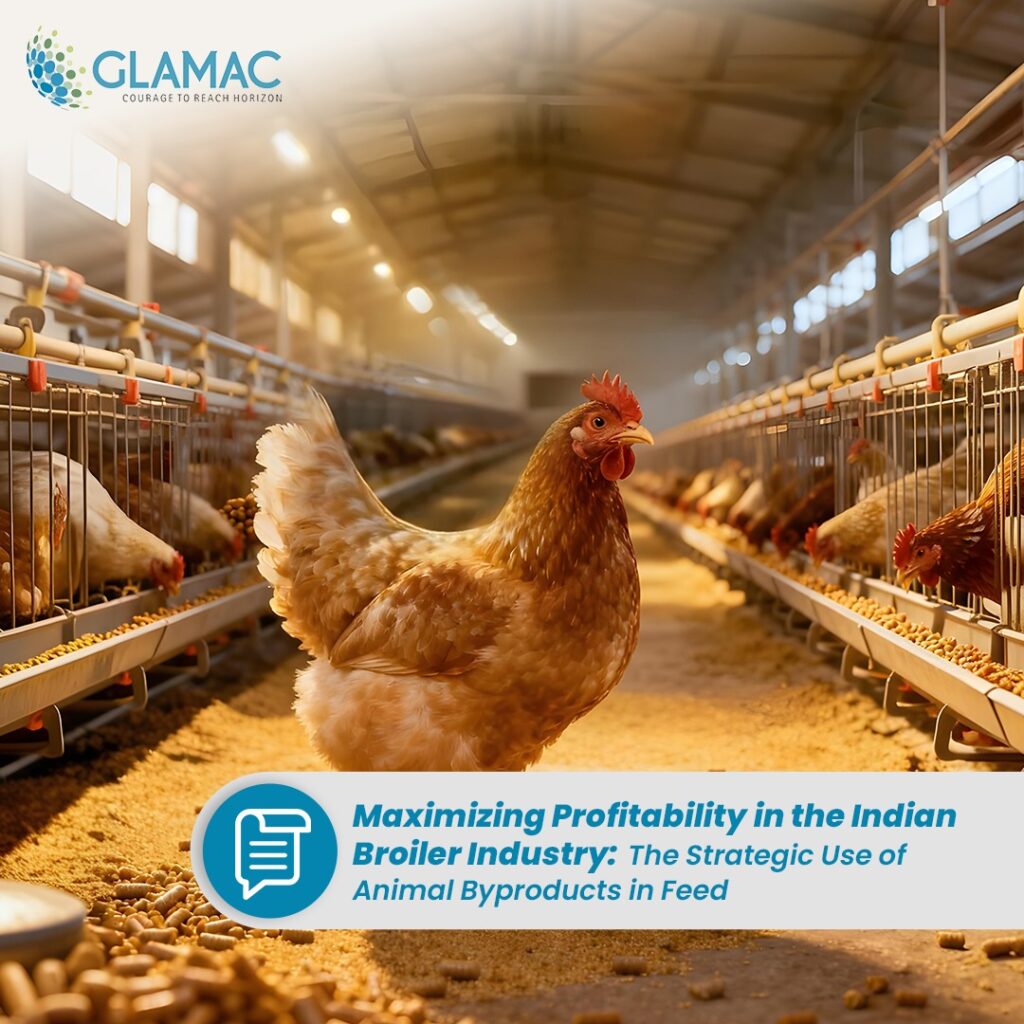
The Indian poultry industry is currently one of the fastest-growing segments of the agricultural sector, but it faces significant headwinds. With the rising costs of traditional feed ingredients like soybean meal and maize, poultry farmers and feed manufacturers are under immense pressure to maintain productivity while safeguarding thin profit margins. In an environment where feed accounts for nearly 70% of total production costs, finding high-quality, cost-effective protein alternatives is no longer just an option—it’s a necessity for survival.
This blog explores how strategic inclusion of animal byproducts can serve as a powerful tool for Indian integrators and farmers to reduce costs without compromising bird performance or carcass quality.
Why Animal Byproducts Matter for Indian Poultry Farmers
In India, the reliance on plant-based proteins often leads to competition with human food chains, driving prices upward. Animal byproducts—residues from the slaughter process that are processed into high-protein meals—offer a sustainable “circular economy” solution.
Key reasons to consider animal meals include:
- Cost Reduction: Byproducts are generally more affordable than premium soybean meal.
- Nutrient Density: These ingredients are packed with essential amino acids and minerals.
- Phosphorus Bioavailability: Unlike plant sources where phosphorus is bound to phytate, the phosphorus in animal meals (like Meat and Bone Meal) is highly bioavailable.
Exploring Key Animal Byproduct Meals
Different byproducts offer unique nutritional profiles. Understanding these helps in formulating a balanced, low-cost ration.
-
Meat and Bone Meal (MBM)
MBM is a staple in many feed formulations. It is not only a protein source but also an exceptional provider of calcium and phosphorus. Research shows that including 5% MBM does not negatively impact weight gain or feed conversion.
-
Poultry Offal Meal (OM)
Derived from the internal organs and residues of processed poultry, this meal is highly palatable and rich in fat (Ether Extract), providing a concentrated energy boost for broilers.
-
Feather Meal (FM)
While feather meal is exceptionally high in crude protein (often exceeding 75%), it must be processed correctly to ensure digestibility. When used at a 5% inclusion rate, it supports healthy growth.
-
Blood Meal (BM)
Blood meal is a protein powerhouse but must be used with caution. High inclusion levels can lead to amino acid imbalances that may actually reduce weight gain if not carefully balanced with synthetic amino acids.
Comparing Nutritional Profiles of Common Feed Ingredients
The following table compares the nutrient density of animal byproducts against traditional Indian feed staples like Maize (Corn) and Soybean Meal (SBM).
| Nutrient (%) | Meat & Bone Meal (MBM) | Poultry Offal Meal (OM) | Feather Meal (FM) | Soybean Meal (SBM) | Corn (Maize) |
| Crude Protein | 42.02% | 60.02% | 79.95% | 46.84% | 8.05% |
| Calcium | 13.80% | 2.48% | 0.72% | 0.24% | 0.03% |
| Phosphorus | 6.81% | 1.72% | 0.38% | 0.53% | 0.24% |
| Dig. Lysine | 2.03% | 3.19% | 2.13% | 2.53% | 0.20% |
Impact on Broiler Performance and Carcass Yield
A common concern among Indian farmers is whether “alternative” feeds will slow down bird growth or result in poor meat quality at the mandi (market).
Live Performance
Scientific trials indicate that individual inclusion of 5% MBM, FM, or OM allows broilers to reach their target weights efficiently. However, farmers should avoid “over-stacking” these meals. Combining too many animal byproducts (MBM + BM + FM + OM) can lead to excessive protein levels, which the bird must work hard to excrete, potentially wasting energy that should go toward muscle growth.
Meat Quality
One of the most reassuring findings is that animal byproducts do not negatively affect carcass traits. Whether you are aiming for high breast meat yield or thigh/drumstick weight, animal meals support these goals just as effectively as all-vegetable diets.
Practical Tips for Feed Manufacturers
To successfully integrate animal byproducts into your broiler program, consider these steps:
- Monitor Inclusion Rates: Keep individual meal levels around 5% to maintain a safe amino acid balance.
- Focus on Digestibility: Ensure your supplier uses appropriate processing temperatures to keep the protein bioavailable.
- Cost Comparison: By replacing a portion of soybean oil and dicalcium phosphate with animal meals, you can reduce overall feed costs by approximately 9%.
Conclusion
As the Indian poultry sector matures, the ability to utilize varied raw materials will define the most profitable operations. Utilizing animal byproducts like Meat and Bone Meal, Feather Meal, and Poultry Offal Meal at strategic levels offers a clear path to reducing feed costs without sacrificing the growth or quality of the flock. By balancing these ingredients with precision, Indian farmers can build a more resilient and sustainable poultry business.
References
- Caires, C.M., et al. (2010). The use of animal byproducts in broiler feeds. Brazilian Journal of Poultry Science.
- Bellaver, C., et al. (2005). Substituição de farinhas de origem animal por ingredientes de origem vegetal em dietas para frangos de corte. Ciência Rural.
- Rostagno, H.S., et al. (2005). Tabelas brasileiras para aves e suinos: composição dos alimentos e exigências nutricionais.
Donkoh, A., et al. (1999). Chemical composition of solar-dried blood meal and its effect on performance of broiler chickens. Animal Feed Science and Technology.